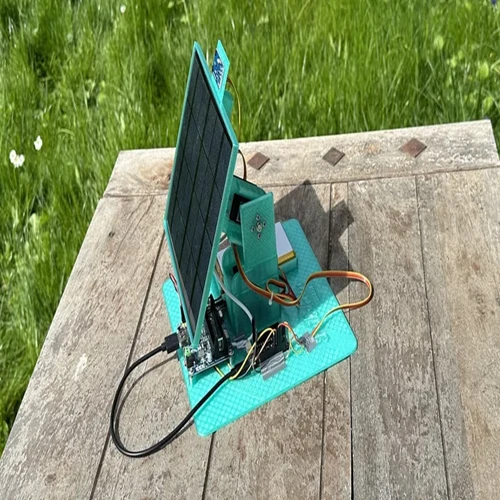
An eco-friendly, open-source educational development kit designed to teach the principles of green energy optimization, electronics, and micro-servo mechanics. Powered by an Arduino UNO R3 compatible development board, this interactive kit dynamically rotates a mini solar panel along both vertical and horizontal axes. By utilizing a high-precision digital GY-30 light intensity sensor module, it continuously calculates and tracks the brightest ambient point, serving as a perfect experimental platform for students, programmers, and clean-energy hobbyists looking to maximize photovoltaic efficiency.
Component List:-
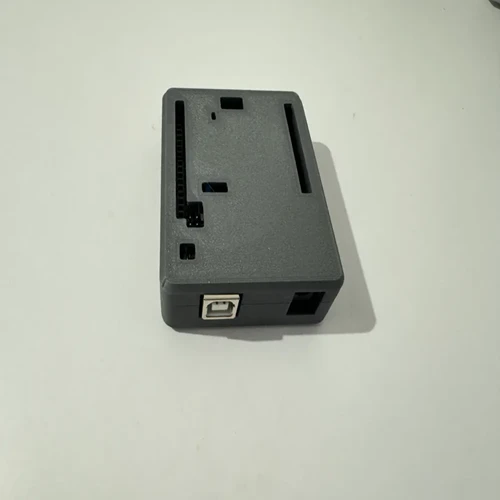
- 1 × Arduino UNO R3 Microcontroller Development Board
- 2 × High-Precision Micro Servo Motors (for dual-axis pitch and yaw alignment)
- 1 × GY-30 Digital Ambient Light Intensity Measuring Sensor Module
- 1 × Mini Solar Panel (Dimensions: 8cm × 4cm)
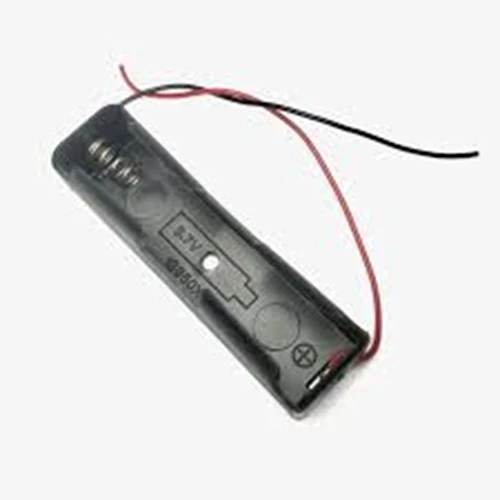
- 1 × Cell Holder with Cell Battery (for portable, off-grid power routing)
- 1 × Micro Controller Programming Cable (USB Type-A to Type-B)
- 1 Set × Multi-Color Flexible Circuit Jumper Wires
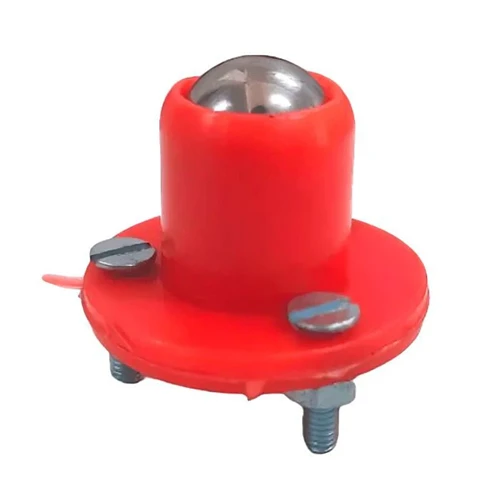
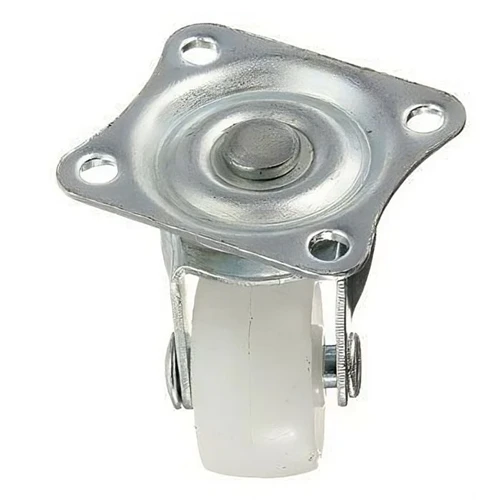
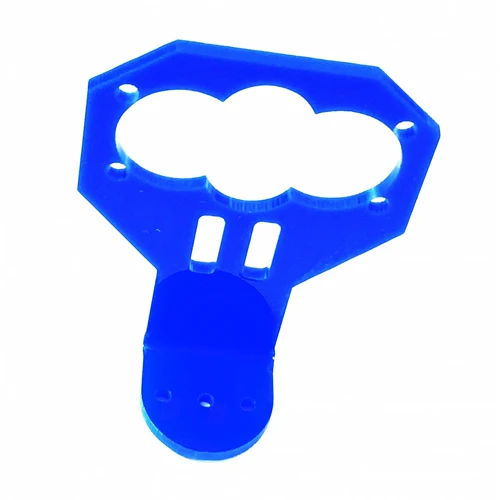
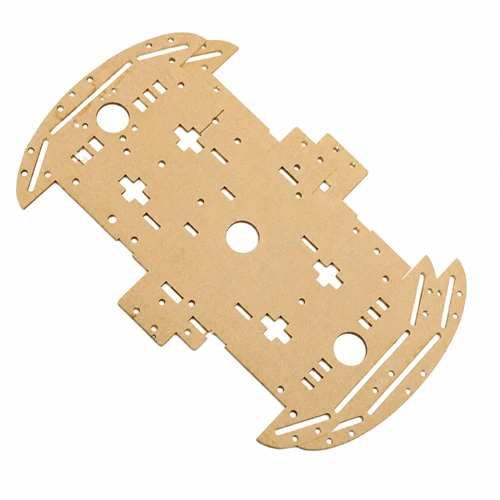
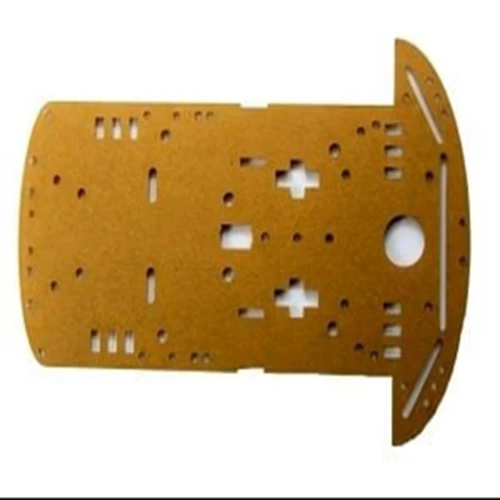
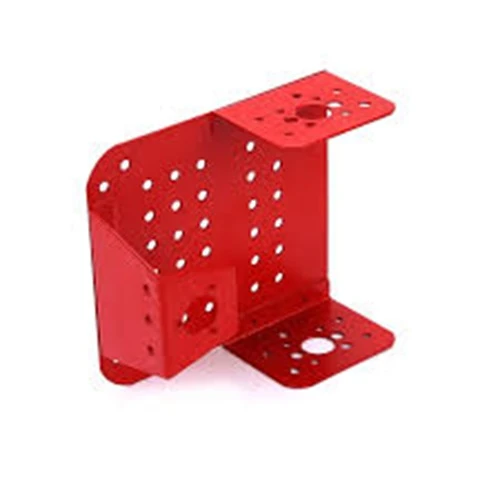
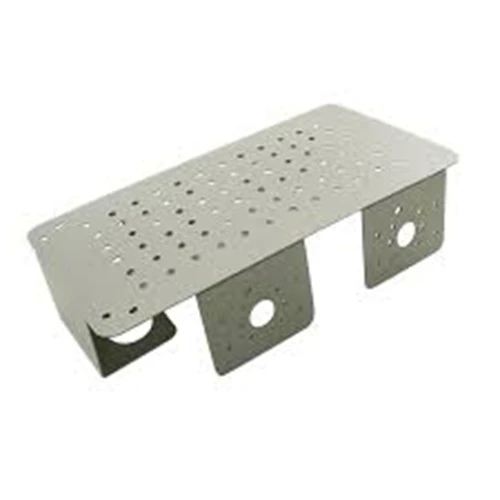
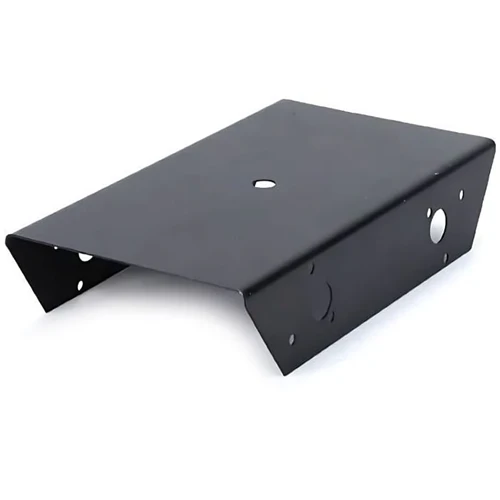
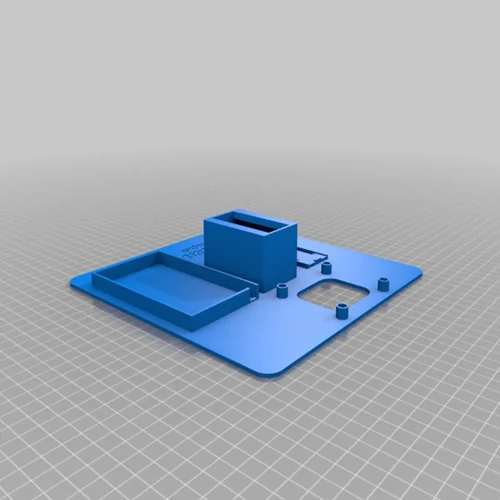
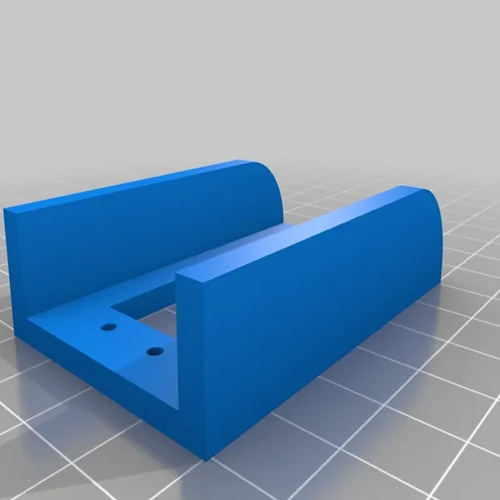
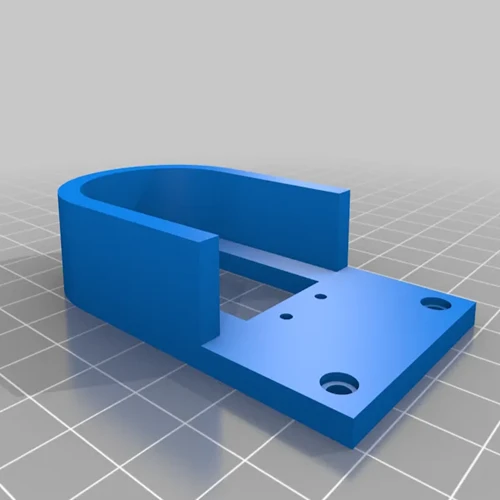
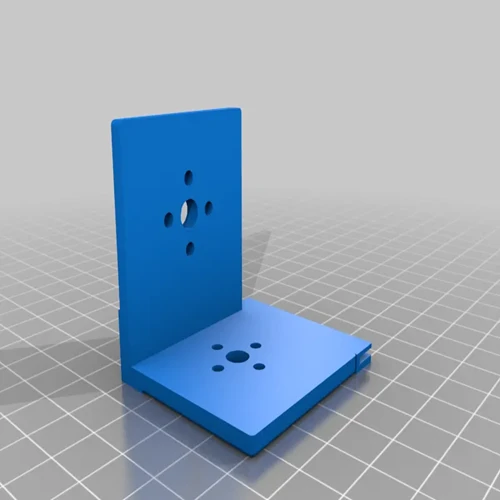
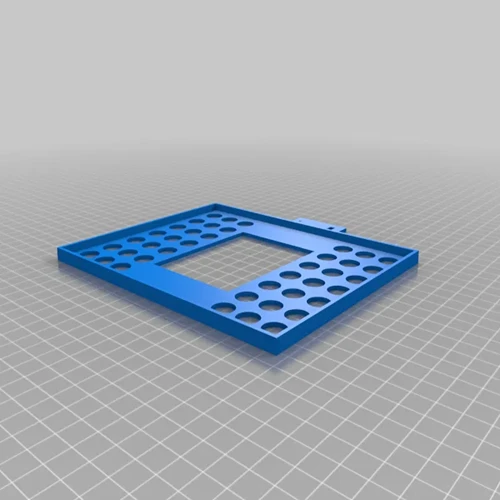
- 1 Set × Structural Tracking Brackets and Base Framework Assemblies
Features:-
- Dual-Axis Dynamic Tracking: Features fully articulated horizontal (azimuth) and vertical (elevation) axis rotation driven by a dual-servo configuration to simulate real-world utility-scale solar arrays.
- Digital Light Intelligence: Outfitted with a specialized GY-30 light sensor module (utilizing a BH1751 ambient light IC) to provide highly accurate, linear lux measurements instead of standard analog readings.
- Precision Actuator Steering: Driven by two high-torque micro-servo motors to ensure highly accurate, low-power kinetic stepping adjustments during field changes.
- Sustainable Power Integration: Interconnects a mini high-efficiency solar panel directly to your experimental circuit, allowing precise observation of real-time voltage and power generation gains.
- Solderless Fast Prototyping: Uses flexible multi-color jumper wire connections, enabling a fast, tool-free setup and straightforward troubleshooting.
- Independent Battery Deployment: Includes a dedicated cell holder with a cell battery to let you deploy your finalized solar tracker completely untethered from a stationary desktop computer.
Applications:-
- Classroom STEM courses focused on renewable energy physics, green tech development, and structural geometry.
- Hands-on laboratory experiments comparing the energy yield curves of stationary solar panels versus active digital dual-axis tracking arrays.
- Learning advanced digital I2C communication protocols, analog-to-digital data mapping, and dual-servo angle coordination.
- Creating home automation triggers (e.g., using the tracking platform as an automated heliostat mirror setup).
- Engaging science exhibitions, green-energy engineering tournaments, and high school capstone design projects.